Half of the eight free games in our free PC games list are gacha games. The term gets thrown around like everyone was born knowing it. The no-fluff version, before your first ten-pull. If monetization pressure is your main concern, start with our free-to-play games without heavy pay-to-win pressure comparison.

What "gacha" means
The word comes from Japanese capsule-toy machines: you pay, turn the crank and get a random toy. In games, you spend currency to pull for random characters, weapons or gear. You choose to pull; you do not choose what drops.
Free players earn that currency by playing: story chapters, events, daily missions. Paying players buy it with real money. Same pulls, same odds.
The vocabulary, fast
| Term | What it means |
|---|---|
| Pull (or summon) | One random draw. A "ten-pull" is ten draws at once. |
| Banner | A limited-time pool of rewards, usually featuring one or two top-rarity characters with boosted odds. |
| Rates | The published odds of getting each rarity. Look for the details or info button on the banner. |
| Pity | A guarantee: after a set number of pulls without a top-rarity drop, the game hands you one. |
| 50/50 | In many games, your top-rarity drop has a 50% chance to be the featured character. Lose it, and the next one is often guaranteed. |
| Battle pass | A paid track of rewards you unlock by playing during a season. Not random. |
| Whale | A player who spends big. F2P means a free-to-play player who spends nothing. |
Pity counters, 50/50 rules and whether pity carries over between banners change from game to game. Never assume: read the banner's details screen before you pull.
Soft pity, hard pity and the worst-case math
Hard pity is the stated ceiling or guarantee: the maximum number of pulls before the banner gives you a top-rarity result. Soft pity is community shorthand for a possible rate increase before that ceiling. If the game does not publish the increase, treat soft pity as an observation—not as a budget promise.
Pity is also not automatically a guarantee of the featured character. The top-rarity pool may contain standard rewards, and a featured guarantee may require losing a first featured roll. Check whether the counter resets after any top-rarity result and whether a lost guarantee carries to the next banner.
For a hypothetical banner with a 90-pull hard ceiling and a simple 50/50 rule, the conservative worst case for one featured character would be two top-rarity hits: up to 180 pulls. That is an example, not a universal rule. Use the exact rate table and guarantee text in the game you are playing.
Before spending, answer four questions: does the counter carry over, does the featured guarantee carry over, are character and weapon banners separate, and what exactly is guaranteed at the ceiling?
Is gacha pay to win?
Short answer: it depends on whether you fight other players.
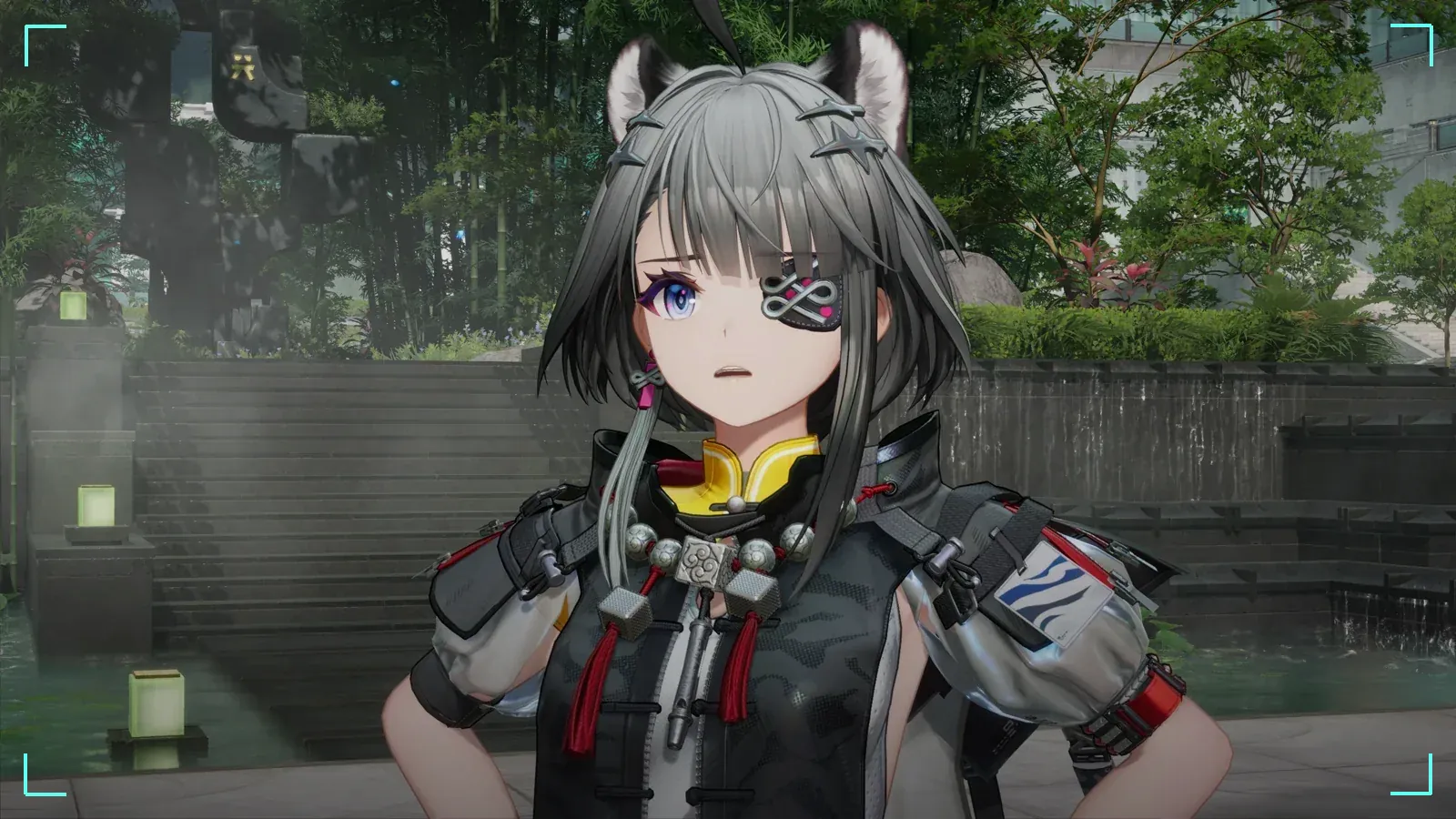
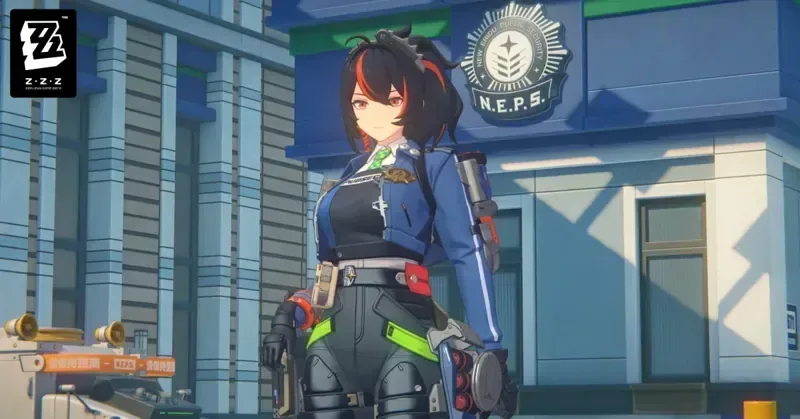
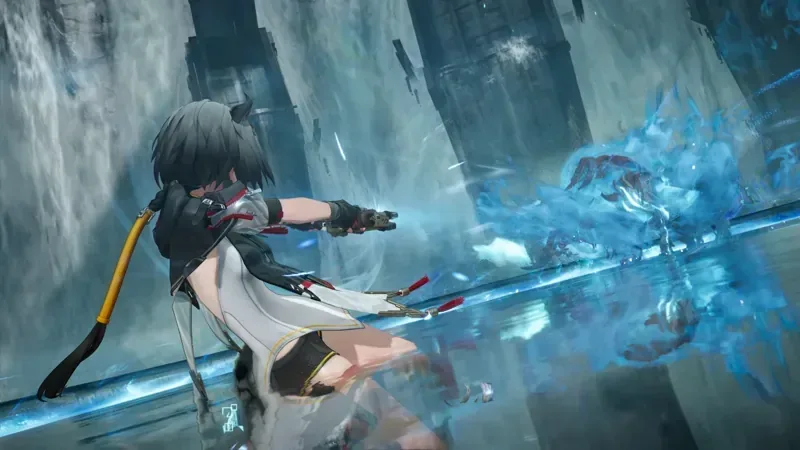
- Mostly PvE games like Zenless Zone Zero, Arknights: Endfield and NTE: spending gets you characters faster, but you are not competing with anyone. The story is built to be cleared for free.
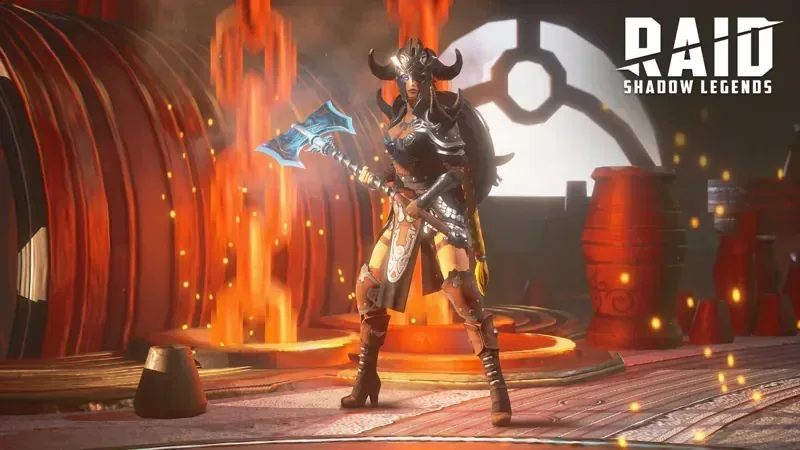
- Games with PvP or alliance wars, like Raid: Shadow Legends (gacha) or Rise of Kingdoms and Star Trek Fleet Command (paid packs): spending can give a real edge. Free players still progress, just slower.
How to spot gacha before you install
Check the age rating. In the US, the ESRB adds "In-Game Purchases (Includes Random Items)" to games that sell randomized rewards. Zenless Zone Zero and Arknights: Endfield both carry it. Our game guides show the rating and the monetization model in the "at a glance" box.
Five rules to play smart
- Decide your budget before your first purchase. Zero is a valid budget. Write it down.
- Save for the characters you actually want. Spreading pulls across every banner is how free players end up with nothing.
- Read the rates and the pity rules on the banner's details screen.
- Skip the FOMO. Limited banners come back or get replaced by new ones. A countdown timer is a sales tactic.
- Value per dollar beats random pulls. If you do spend, monthly passes and battle passes usually give more than direct pulls, and they are not random.
Bottom line
Gacha is a slot machine bolted onto a game. That can be fine if you like the game underneath, you know the odds, and you set your limit first. If you want zero monetization pressure, go for games without it, and check our guides: each one tells you straight how the game makes money.
More free game guides
The complete free PC games guide covers every genre. For fair monetization picks, see the no pay-to-win guide.
FAQ
Is a gacha game pay to win?
What is pity in a gacha game?
Can I play a gacha game without paying?
What does 'In-Game Purchases (Includes Random Items)' mean on a rating?
// Sources